Fast Food vs. Home-Cooked Meals: Which Is Better?
Food is an essential part of daily life, but the way we obtain and prepare our meals has changed dramatically over the years. Modern lifestyles often leave people with limited time to cook, leading many to rely on fast food for convenience. At the same time, health experts continue to encourage home-cooked meals as a healthier and more nutritious option. This ongoing debate raises an important question: Which is better—fast food or home-cooked meals?
The answer is not always straightforward. Fast food offers speed, convenience, and accessibility, making it appealing to busy individuals and families. Home-cooked meals, on the other hand, provide greater control over ingredients, portion sizes, and nutritional value. Each option has its advantages and disadvantages depending on a person’s lifestyle, budget, and health goals.
Understanding the differences between these two approaches to eating can help individuals make informed decisions about their dietary habits. In this article, we’ll explore the nutritional, financial, social, and environmental aspects of both fast food and home-cooked meals to determine which option offers the greatest overall benefits.

Understanding Fast Food
What Is Fast Food?
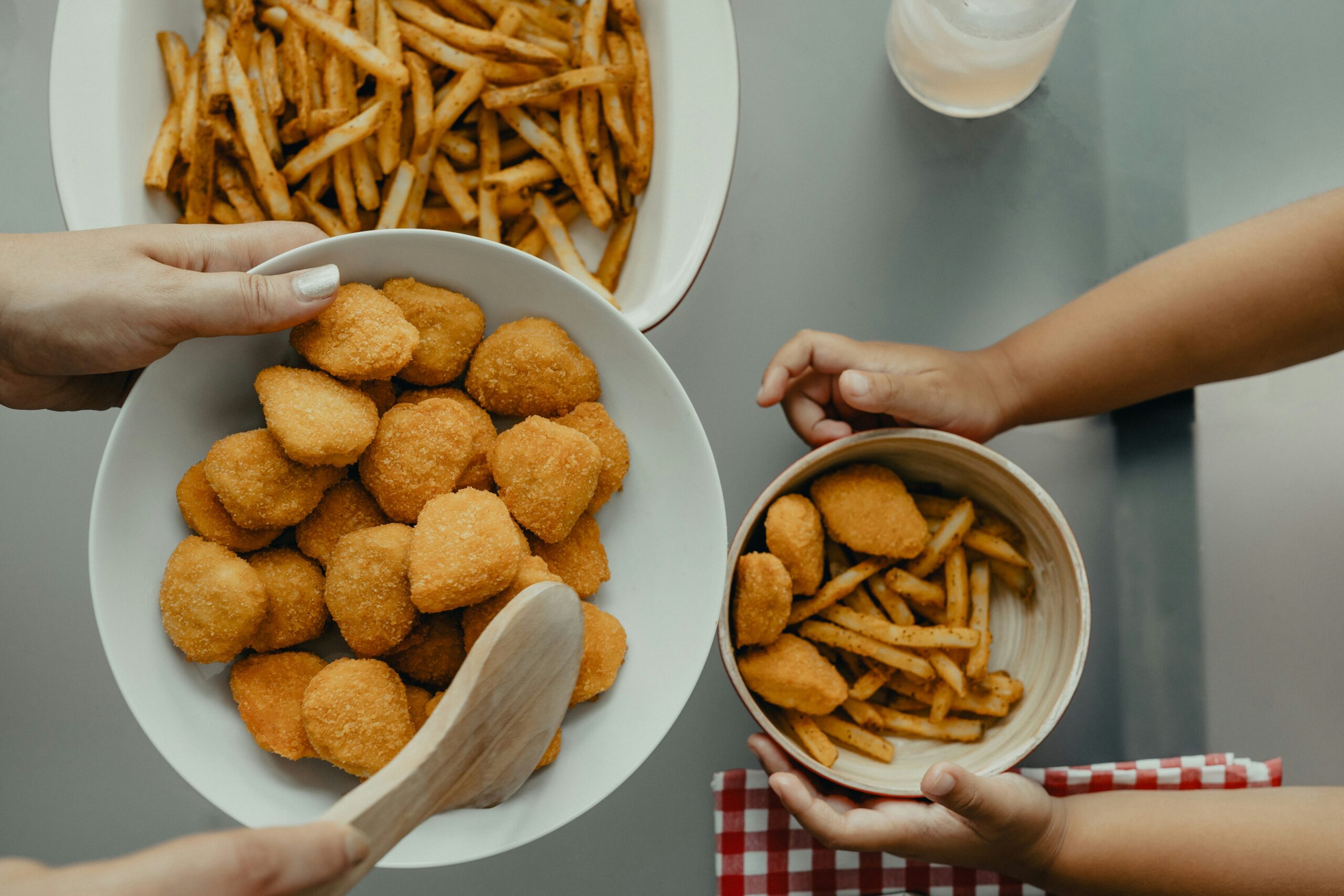
Fast food refers to meals that are prepared and served quickly, typically by restaurants specializing in convenience and efficiency. Common examples include burgers, pizzas, fried chicken, sandwiches, tacos, and various snack foods. Fast-food restaurants are designed to provide customers with ready-to-eat meals in a short amount of time.
The popularity of fast food has grown significantly due to urbanization, busy work schedules, and changing lifestyles. Drive-through services, food delivery apps, and extended operating hours have made fast food more accessible than ever before.
Many fast-food chains offer standardized menus and consistent flavors, which contribute to their widespread appeal. Customers know exactly what to expect regardless of location, creating a sense of familiarity and convenience.
Why Fast Food Is So Popular
Convenience remains the primary reason people choose fast food. Busy professionals, students, and families often struggle to find time for meal preparation, making fast food an attractive solution. It eliminates the need for grocery shopping, cooking, and cleaning.
Fast food is also heavily marketed and widely available. Restaurants can be found in shopping centers, highways, airports, and urban neighborhoods. Promotional offers and affordable meal deals further increase its appeal.
The taste factor cannot be ignored either. Many fast-food products are specifically designed to be highly flavorful by combining fats, sugars, and salts in ways that appeal to consumers. This combination often creates cravings that encourage repeat purchases.
Understanding Home-Cooked Meals
What Are Home-Cooked Meals?
Home-cooked meals are foods prepared at home using ingredients selected and cooked by individuals or family members. These meals can range from simple dishes to elaborate recipes and are typically tailored to personal preferences and dietary needs.
One of the greatest advantages of home cooking is flexibility. Individuals can choose ingredients, control cooking methods, and adjust recipes according to nutritional goals. Whether someone wants a low-calorie meal, a high-protein diet, or a vegetarian option, home cooking allows for customization.
Preparing meals at home also encourages greater awareness of food choices and nutritional content. People become more involved in the cooking process and develop a better understanding of what they are eating.
The Growing Importance of Home Cooking
In recent years, there has been renewed interest in home cooking due to growing concerns about health, obesity, and chronic diseases. Many people are recognizing the value of preparing meals from fresh ingredients rather than relying heavily on processed foods.
Cooking at home can also be a rewarding hobby that promotes creativity and self-sufficiency. Learning new recipes and experimenting with different cuisines adds variety and enjoyment to daily eating habits.
Families who cook together often experience stronger social connections and healthier eating patterns. Home-cooked meals create opportunities for shared experiences and meaningful conversations around the dinner table.
Nutritional Comparison
Calories and Portion Sizes
One of the biggest differences between fast food and home-cooked meals involves calorie content and portion control. Fast-food meals are often larger than necessary and can contain excessive calories. Large portions encourage overeating and may contribute to weight gain over time.
Home-cooked meals provide greater control over serving sizes. Individuals can measure ingredients and adjust portions according to their specific needs. This flexibility makes it easier to maintain a balanced calorie intake and support healthy weight management.
Many people are surprised to discover how quickly calories add up in restaurant meals. A single fast-food combo meal may contain more calories than an entire home-cooked dinner prepared with fresh ingredients.
Vitamins and Nutrients
Home-cooked meals generally offer superior nutritional quality because they often include fresh fruits, vegetables, whole grains, and lean proteins. These foods provide essential vitamins, minerals, fiber, and antioxidants that support overall health.
Fast food can contain some nutrients, but many menu items are highly processed and may lack nutritional balance. Frequent consumption of processed foods can make it difficult to meet daily nutrient requirements.
A home-cooked meal allows individuals to prioritize nutrient-dense ingredients that contribute to long-term wellness and disease prevention.
Sodium, Sugar, and Unhealthy Fats
Fast food is frequently criticized for its high levels of sodium, added sugars, and unhealthy fats. These ingredients enhance flavor and extend shelf life but may negatively affect health when consumed in excess.
Excessive sodium intake is associated with high blood pressure, while excessive sugar consumption can contribute to obesity and metabolic disorders. Trans fats and certain saturated fats may increase the risk of heart disease.
Home cooking allows people to reduce these ingredients and choose healthier alternatives. Simple adjustments such as using herbs and spices instead of excessive salt can significantly improve meal quality.
Cost Comparison
Many people assume that fast food is cheaper than home-cooked meals, but this is not always the case. While individual fast-food purchases may seem affordable, frequent restaurant visits can quickly become expensive.
Cooking at home often provides better value, especially when meals are planned efficiently. Purchasing ingredients in bulk, preparing larger portions, and using leftovers can significantly reduce food costs. Home-cooked meals also eliminate delivery fees, service charges, and restaurant markups.
Over time, individuals who regularly prepare meals at home often spend less money while enjoying better nutritional quality. This makes home cooking an attractive option for both health-conscious and budget-conscious consumers.
Convenience and Time Factors
Fast food’s greatest advantage is convenience. Meals can be ordered and consumed within minutes, making them ideal for busy schedules. People with demanding jobs, long commutes, or limited cooking skills often appreciate this convenience.
Home cooking requires more time and effort. Grocery shopping, meal preparation, cooking, and cleanup all contribute to the overall commitment. For some individuals, these responsibilities can feel overwhelming.
However, meal planning and batch cooking can significantly reduce preparation time. Many home cooks prepare meals in advance to enjoy the benefits of homemade food without daily cooking demands.
Health Benefits of Home-Cooked Meals
Home-cooked meals offer numerous health advantages. People who cook regularly tend to consume more vegetables, fruits, and whole grains while eating fewer processed foods. This dietary pattern supports cardiovascular health, digestive function, and overall well-being.
Cooking at home also encourages mindful eating. Individuals are more likely to pay attention to ingredients and portion sizes, leading to healthier choices. Over time, these habits can reduce the risk of obesity, diabetes, and other chronic conditions.
The ability to customize meals for specific health needs is another major benefit. Whether managing allergies, food sensitivities, or medical conditions, home cooking provides unmatched flexibility and control.
Advantages of Fast Food
Although fast food often receives criticism, it does offer certain benefits. Convenience remains its strongest advantage, particularly for people with limited time or cooking resources. Fast-food restaurants provide quick access to meals during travel, work breaks, and emergencies.
Some fast-food chains have also expanded their menus to include healthier options such as salads, grilled proteins, fruit cups, and lower-calorie meals. These choices allow consumers to make better decisions while still enjoying the convenience of restaurant dining.
Fast food can also serve as an occasional treat that provides enjoyment and variety. The key lies in moderation and making informed menu selections.
Environmental Impact
The environmental impact of food choices is becoming increasingly important. Fast-food restaurants often generate substantial packaging waste through disposable containers, cups, wrappers, and utensils. Transportation and large-scale food production can also contribute to environmental concerns.
Home cooking generally produces less packaging waste, especially when ingredients are purchased in bulk or from local sources. Preparing meals at home allows consumers to use reusable containers and reduce reliance on single-use materials.
While both approaches have environmental impacts, home cooking often provides greater opportunities for sustainable food practices.
Social and Family Benefits
Food plays an important role in social and family life. Home-cooked meals create opportunities for families to gather, communicate, and strengthen relationships. Shared meals are associated with improved dietary habits and positive social outcomes.
Cooking together can also teach valuable life skills, including meal planning, budgeting, and nutrition awareness. Children who participate in meal preparation often develop healthier eating habits that continue into adulthood.
Fast food can still facilitate social interactions, but it rarely provides the same level of engagement and connection as preparing and sharing meals at home.
Which Option Is Better for Weight Management?
For individuals focused on weight management, home-cooked meals generally offer significant advantages. Greater control over ingredients and portion sizes makes it easier to create calorie-conscious meals that support weight goals.
Fast food often contains hidden calories, excessive portions, and highly processed ingredients that can make weight control more challenging. While healthier fast-food choices exist, they require careful selection and moderation.
People who consistently prepare balanced meals at home often find it easier to maintain healthy body weight and long-term dietary habits.
Finding a Healthy Balance
The debate between fast food and home-cooked meals does not have to be an all-or-nothing choice. Many people successfully combine both approaches by prioritizing home cooking while occasionally enjoying fast food in moderation.
Planning ahead can help reduce reliance on convenience foods without eliminating flexibility. Preparing meals in advance, keeping healthy ingredients available, and choosing nutritious restaurant options when necessary can create a balanced approach.
The goal is not perfection but consistency. Small improvements in food choices can lead to meaningful health benefits over time.
Conclusion
When comparing fast food and home-cooked meals, home cooking generally emerges as the healthier and more cost-effective option. It provides greater control over ingredients, portion sizes, nutritional quality, and overall dietary habits. Home-cooked meals support long-term health, encourage family interaction, and often reduce food expenses.
Fast food, however, offers unmatched convenience and can be part of a balanced lifestyle when consumed occasionally and chosen wisely. Modern schedules sometimes make restaurant meals unavoidable, and there is nothing wrong with enjoying fast food in moderation.
Ultimately, the best choice depends on individual circumstances and goals. Prioritizing home-cooked meals while maintaining flexibility for occasional convenience can provide the ideal balance between health, practicality, and enjoyment.
Frequently Asked Questions
1. Are home-cooked meals healthier than fast food?
Yes. Home-cooked meals generally contain fresher ingredients, fewer additives, and better nutritional balance.
2. Is fast food always unhealthy?
Not necessarily. Many fast-food restaurants now offer healthier menu options, but choices should be made carefully.
3. Which is more affordable: fast food or home cooking?
In the long term, home cooking is usually more cost-effective because ingredients can be purchased in bulk and used for multiple meals.
4. Can fast food fit into a healthy diet?
Yes. Occasional fast-food meals can be part of a balanced diet when combined with healthy eating habits.
5. How can I cook more often if I have a busy schedule?
Meal planning, batch cooking, and preparing ingredients in advance can make home cooking more convenient and manageable.