
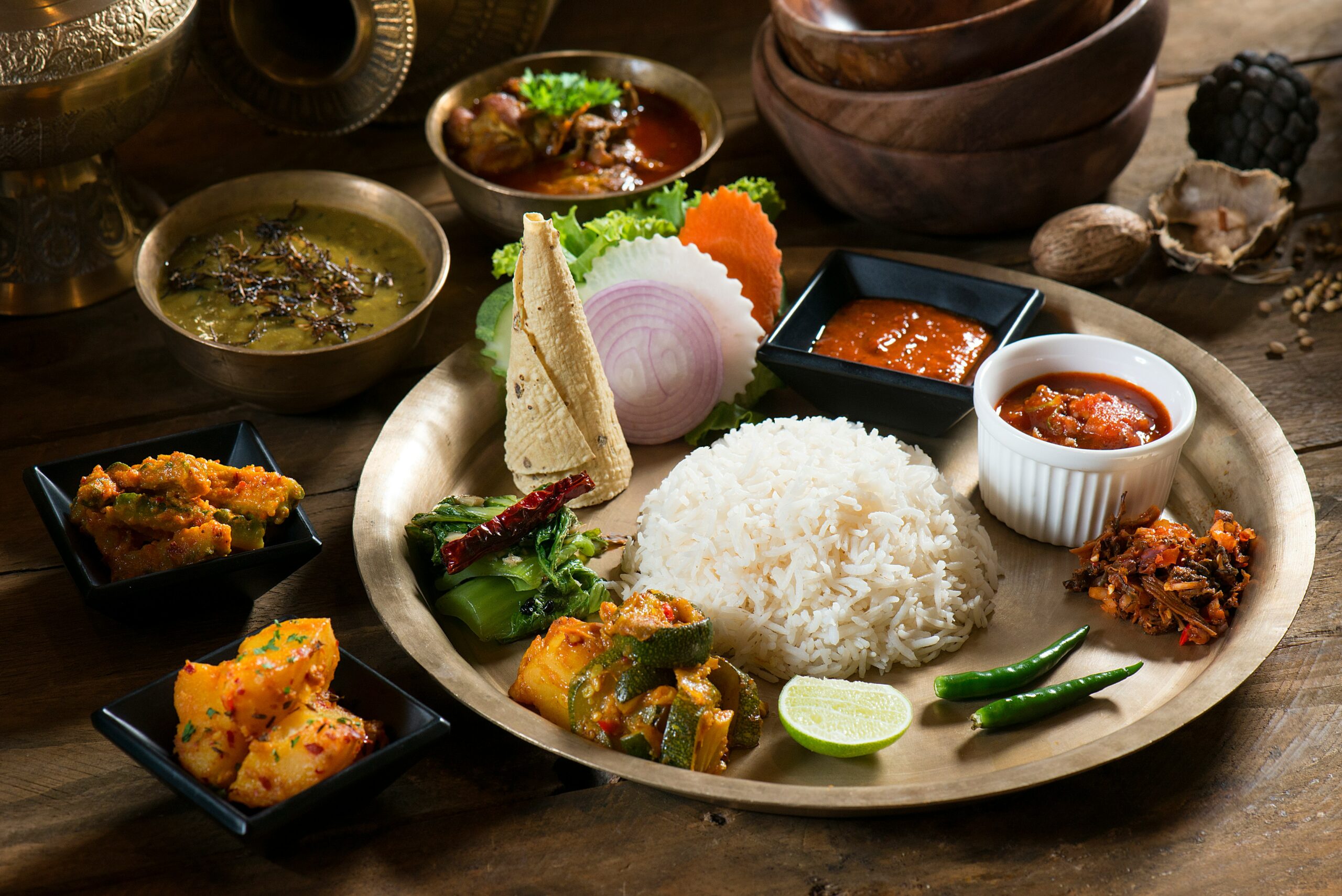
The Most Popular Traditional Dishes from Different Countries
Food is one of the most powerful ways to understand a country’s culture, history, and traditions. Every nation has signature dishes that tell stories of its people, geography, and heritage. These traditional foods often originate from centuries-old recipes passed down through generations. While modern cuisine continues to evolve, traditional dishes remain deeply connected to national identity and cultural pride.
Travelers often seek out authentic local foods because they provide a genuine taste of a destination. A single meal can reveal the influence of historical trade routes, agricultural practices, and cultural exchanges that shaped a country’s culinary landscape. Traditional dishes are more than just meals; they are living pieces of history that continue to unite families and communities.
In today’s interconnected world, many traditional foods have gained international recognition and popularity. From Italy’s iconic pizza to Japan’s delicate sushi and India’s aromatic biryani, these dishes have crossed borders and become beloved around the globe. Let’s explore some of the most popular traditional dishes from different countries and discover what makes them so special.

Why Traditional Foods Matter
Food as a Cultural Identity
Traditional dishes play a significant role in preserving cultural identity. They reflect local ingredients, cooking methods, and social customs that have developed over generations. Many recipes are associated with holidays, festivals, and family gatherings, making them an essential part of cultural celebrations.
Food often serves as a bridge between generations. Grandparents teach recipes to their children and grandchildren, ensuring culinary traditions survive despite changing lifestyles. This transfer of knowledge helps preserve a nation’s unique food heritage.
Traditional foods also foster a sense of belonging. Whether it’s sharing a family meal or celebrating a national holiday, these dishes strengthen social connections and cultural pride.
The Role of Tradition in Cuisine
Traditional cuisine is influenced by geography, climate, and available resources. Coastal regions often feature seafood-based dishes, while agricultural areas rely heavily on grains, vegetables, and livestock. Historical events, migration, and trade have also contributed to the development of unique culinary traditions.
Many traditional recipes emphasize simple ingredients prepared with skill and care. The focus is often on enhancing natural flavors rather than relying on excessive processing or artificial ingredients. This authenticity is one reason traditional foods continue to resonate with people worldwide.
What Makes a Dish Traditional?
A traditional dish is typically one that has been prepared and enjoyed within a culture for many years, often centuries. These foods are closely tied to local customs and ingredients and are frequently associated with national or regional identity.
Traditional dishes usually reflect historical cooking techniques and recipes that have remained relatively unchanged over time. While modern adaptations may exist, the original versions continue to hold cultural significance. These dishes often represent the culinary heart of a nation and serve as symbols of cultural heritage.
Italy – Pizza
Pizza is arguably Italy’s most famous culinary contribution to the world. Originating in Naples, traditional pizza features a thin crust topped with tomato sauce, mozzarella cheese, and fresh ingredients such as basil. The classic Margherita pizza remains one of the most beloved varieties.
What makes pizza special is its simplicity. High-quality ingredients and expert preparation create a dish that is both comforting and flavorful. Traditional Italian pizza focuses on balance rather than excessive toppings, allowing each ingredient to shine.
Today, pizza is enjoyed globally and has inspired countless regional variations. Despite these adaptations, authentic Neapolitan pizza remains a symbol of Italian culinary excellence and cultural heritage.
Japan – Sushi
Sushi is one of Japan’s most recognized traditional dishes and has become a global culinary phenomenon. Made with vinegared rice and various ingredients such as raw fish, seafood, vegetables, and seaweed, sushi showcases precision, freshness, and artistry.
Japanese cuisine places great emphasis on presentation and seasonal ingredients. Sushi reflects these values by highlighting the natural flavors and textures of each component. Skilled sushi chefs spend years mastering techniques that ensure consistency and quality.
Although sushi is widely available around the world, authentic Japanese sushi remains deeply connected to the country’s culinary traditions and respect for craftsmanship.
India – Biryani
Biryani is one of India’s most celebrated traditional dishes. This fragrant rice dish combines aromatic spices, basmati rice, and meat or vegetables to create a rich and satisfying meal. Different regions of India offer unique variations, each with its own flavor profile and cooking techniques.
The complexity of biryani comes from its carefully layered ingredients and blend of spices such as cardamom, cloves, cinnamon, and saffron. The cooking process requires patience and skill to achieve the perfect balance of flavors.
Biryani is often served during festivals, weddings, and special occasions, making it a cherished part of Indian culture and hospitality.
Mexico – Tacos
Tacos are a cornerstone of Mexican cuisine and one of the country’s most iconic foods. Traditionally served on corn tortillas, tacos can be filled with beef, pork, chicken, seafood, beans, or vegetables and topped with fresh salsa, onions, cilantro, and lime.
The beauty of tacos lies in their versatility. Every region of Mexico offers distinct styles and flavors that reflect local ingredients and traditions. From street vendors to family gatherings, tacos are enjoyed by people from all walks of life.
Their simplicity, affordability, and bold flavors have helped tacos become one of the most popular traditional dishes worldwide.
China – Peking Duck
Peking Duck is a famous traditional Chinese dish known for its crispy skin and tender meat. Originating in Beijing, the dish is prepared through a meticulous process that includes air-drying and roasting the duck to perfection.
The duck is typically served with thin pancakes, scallions, cucumber, and sweet bean sauce. Diners assemble their own wraps, creating a unique and interactive dining experience.
Peking Duck reflects China’s long culinary history and commitment to sophisticated cooking techniques. It remains one of the country’s most celebrated dishes and a favorite among visitors.
France – Coq au Vin
Coq au Vin is a classic French dish that showcases the country’s rich culinary tradition. The dish consists of chicken slowly braised in red wine along with mushrooms, onions, and herbs.
French cuisine is renowned for transforming simple ingredients into elegant meals through careful preparation and technique. Coq au Vin exemplifies this philosophy by creating deep, complex flavors through slow cooking.
The dish remains a symbol of French comfort food and continues to be served in homes and restaurants throughout France.
Thailand – Pad Thai
Pad Thai is one of Thailand’s most beloved traditional dishes and a staple of the country’s vibrant street food culture. Made with stir-fried rice noodles, eggs, tofu or shrimp, bean sprouts, peanuts, and tamarind sauce, Pad Thai delivers a perfect balance of sweet, sour, salty, and savory flavors.
The dish gained popularity because it is both affordable and satisfying. Street vendors prepare it quickly in large woks, making it a convenient meal for busy city life.
Today, Pad Thai serves as an ambassador of Thai cuisine and is enjoyed by millions of people worldwide.
Turkey – Döner Kebab
Döner Kebab is one of Turkey’s most famous traditional dishes. Thin slices of seasoned meat are cooked on a vertical rotisserie and served in bread or wraps with vegetables and sauces.
The unique cooking method creates a delicious contrast between crispy exterior layers and juicy interior meat. The dish reflects Turkey’s rich culinary heritage and influence on Middle Eastern and Mediterranean cuisine.
Döner Kebab has gained immense international popularity while remaining an important symbol of Turkish food culture.
Spain – Paella
Paella is Spain’s most iconic rice dish and originates from the Valencia region. Traditional paella combines rice with saffron, vegetables, seafood, chicken, or rabbit, creating a colorful and flavorful meal.
The dish is often cooked in a large shallow pan and shared among family and friends. This communal style of dining reflects the importance of social gatherings in Spanish culture.
Paella’s vibrant appearance and rich flavors have made it one of the most recognized traditional dishes in the world.
United States – Hamburger
The hamburger has become one of America’s most influential culinary exports. Consisting of a grilled beef patty served in a bun with various toppings, the hamburger represents convenience, innovation, and comfort food culture.
Although its origins involve influences from European immigrants, the hamburger evolved into a distinctly American dish. Regional variations and creative toppings continue to shape its popularity.
Fast-food chains helped spread hamburgers globally, making them one of the most widely consumed foods in the world today.
How Traditional Dishes Reflect Culture
Traditional dishes often reveal a country’s values, resources, and historical experiences. Ingredients commonly used in local cuisine reflect agricultural conditions and climate. Cooking methods may be influenced by available fuel sources, social customs, or religious practices.
Food also serves as a form of cultural storytelling. Every traditional dish carries memories of past generations and represents a unique connection to history. Through food, people celebrate their identity and preserve traditions that might otherwise fade over time.
The emotional connection associated with traditional foods explains why they remain beloved even as culinary trends change.
The Global Influence of Traditional Foods
Globalization has introduced traditional dishes to new audiences around the world. International travel, migration, and media have made it easier than ever to experience authentic cuisine from different cultures.
Many traditional foods have adapted to local tastes while retaining their essential characteristics. This cultural exchange has enriched global cuisine and encouraged appreciation for diverse culinary traditions.
At the same time, preserving authentic recipes remains important. Traditional dishes provide valuable insights into history, culture, and the shared human experience of gathering around food.
Conclusion
Traditional dishes are much more than recipes; they are reflections of culture, history, and identity. From Italy’s pizza and Japan’s sushi to India’s biryani and Spain’s paella, these iconic foods have earned international recognition while remaining deeply connected to their origins.
Exploring traditional cuisine offers a unique opportunity to understand different cultures and appreciate the diversity of global food traditions. Whether enjoyed at home or while traveling, these dishes continue to bring people together through shared experiences and unforgettable flavors.
The next time you try a traditional dish from another country, remember that you are tasting a piece of history, culture, and heritage that has been carefully preserved through generations.
Frequently Asked Questions
1. What is a traditional dish?
A traditional dish is a food that has been prepared and enjoyed within a culture for many years and is closely associated with its heritage and customs.
2. Why are traditional foods important?
Traditional foods preserve cultural identity, connect generations, and reflect a country’s history, geography, and social traditions.
3. Which country has the most famous traditional food?
Many countries are known for iconic dishes, including Italy (pizza), Japan (sushi), India (biryani), and Mexico (tacos).
4. How do traditional dishes influence modern cuisine?
Traditional dishes inspire contemporary recipes, cooking techniques, and flavor combinations while preserving cultural heritage.
5. Why do travelers seek traditional foods?
Travelers often seek traditional foods to experience authentic local culture, history, and flavors that cannot be fully understood through sightseeing alone.