The Complete Guide to Vegetarian and Vegan Diets
Vegetarian and vegan diets have gained massive popularity around the world as more people become aware of health, environmental, and ethical concerns related to food choices. These diets are not just about avoiding meat; they represent a lifestyle focused on plant-based nutrition, sustainability, and mindful eating. Whether someone chooses vegetarianism for health reasons or veganism for ethical beliefs, both approaches offer a wide range of benefits when properly planned.
However, many people still feel confused about what these diets include, how they differ, and whether they provide all essential nutrients. Some worry about protein intake, energy levels, or long-term health effects. The truth is that both vegetarian and vegan diets can be highly nutritious and balanced when well-structured.
This complete guide will walk you through everything you need to know about vegetarian and vegan diets, including their differences, benefits, potential risks, and how to follow them successfully in everyday life.
What Is a Vegetarian Diet?
A vegetarian diet excludes meat, poultry, and fish but may include other animal-derived products depending on the type of vegetarianism followed. Instead of animal flesh, vegetarians rely on plant-based foods such as fruits, vegetables, grains, legumes, nuts, and seeds.
Vegetarian diets have been practiced for centuries in many cultures due to religious, ethical, and health-related reasons. Today, they are widely recognized as a healthy dietary pattern when properly balanced.
Types of Vegetarian Diets
Vegetarianism is not a one-size-fits-all approach. There are several variations depending on which animal products are included or excluded.
Lacto-vegetarian
Lacto-vegetarians consume dairy products like milk, cheese, and yogurt but avoid eggs, meat, and fish. This type of diet is common in many parts of India.
Ovo-vegetarian
Ovo-vegetarians include eggs in their diet but avoid dairy products, meat, and fish. Eggs provide an important source of protein and vitamin B12.
Lacto-ovo vegetarian
Lacto-ovo vegetarians include both dairy products and eggs while avoiding meat and fish. This is the most common form of vegetarianism in Western countries.
What Is a Vegan Diet?
A vegan diet is a stricter form of plant-based eating that excludes all animal products, including meat, dairy, eggs, and even honey in some cases. Vegans rely entirely on plant-based foods for nutrition.
The vegan lifestyle often extends beyond diet, avoiding animal-derived products in clothing, cosmetics, and other areas of life. Many people choose veganism for ethical reasons related to animal welfare, environmental sustainability, and health.
Key Differences Between Vegetarian and Vegan Diets
The main difference between vegetarian and vegan diets lies in the inclusion of animal-derived products.
| Aspect | Vegetarian Diet | Vegan Diet |
|---|---|---|
| Meat | Not allowed | Not allowed |
| Fish | Not allowed | Not allowed |
| Dairy | Allowed (in most types) | Not allowed |
| Eggs | Allowed (in some types) | Not allowed |
| Honey | Allowed | Usually avoided |
Vegans follow a more restrictive approach, eliminating all animal-based foods, while vegetarians have more flexibility depending on their chosen type.
Health Benefits of Plant-Based Diets
Plant-based diets are associated with numerous health benefits when properly planned and balanced.
Heart Health
Vegetarian and vegan diets are naturally low in saturated fats and cholesterol. This helps reduce the risk of heart disease, high blood pressure, and stroke. Foods like fruits, vegetables, whole grains, and nuts support cardiovascular health.
Weight Management
Plant-based diets are often lower in calories and higher in fiber, making them effective for weight control. High-fiber foods promote fullness and reduce overeating.
Digestive Health
Fiber-rich foods improve digestion and support healthy gut bacteria. This reduces constipation and promotes regular bowel movements.
Diabetes Prevention
Studies suggest that plant-based diets can improve insulin sensitivity and help reduce the risk of type 2 diabetes.
Possible Nutritional Deficiencies
While vegetarian and vegan diets are healthy, they require proper planning to avoid nutrient deficiencies.
Protein
Plant-based protein sources include beans, lentils, tofu, chickpeas, and quinoa. Vegans must ensure they consume a variety of protein sources.
Vitamin B12
Vitamin B12 is mostly found in animal products, so vegans may need fortified foods or supplements.
Iron
Plant-based iron is less easily absorbed, so combining iron-rich foods with vitamin C helps improve absorption.
Calcium
Vegans must rely on fortified plant milks, leafy greens, and tofu for calcium intake.
Omega-3 Fatty Acids
Sources include flaxseeds, chia seeds, walnuts, and algae-based supplements.
Best Foods for Vegetarians and Vegans
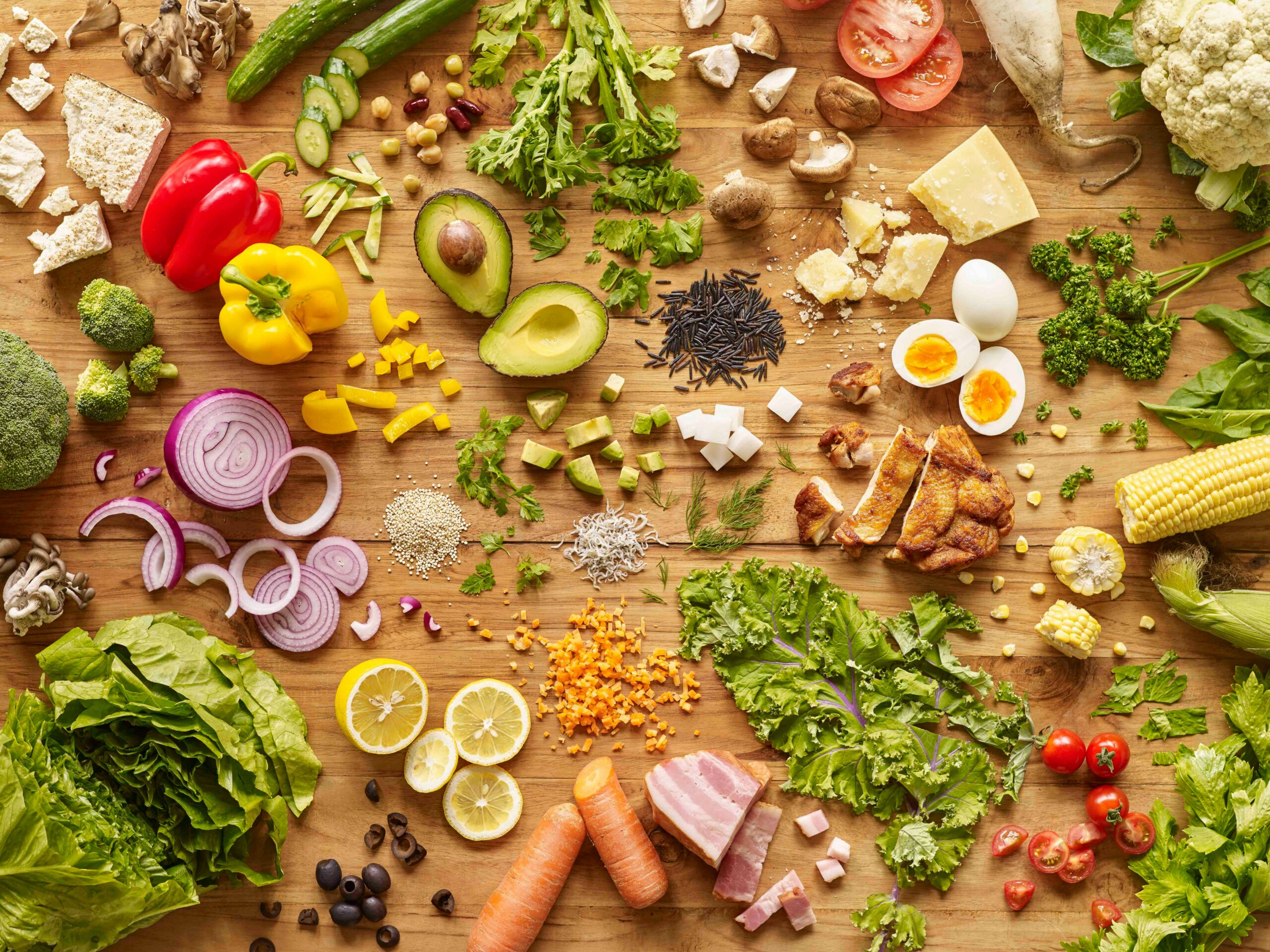
A balanced plant-based diet includes a wide variety of nutrient-dense foods:
- Lentils and beans
- Chickpeas and peas
- Tofu and tempeh
- Whole grains (brown rice, oats, quinoa)
- Nuts and seeds
- Leafy greens (spinach, kale)
- Fruits (berries, bananas, oranges)
- Plant-based milk alternatives
These foods provide essential nutrients needed for energy, growth, and overall health.
Sample Vegetarian and Vegan Meal Plan
Breakfast
- Oatmeal with almond milk, banana, and chia seeds
Lunch
- Brown rice bowl with lentils, vegetables, and olive oil
Snack
- Fruit salad with nuts
Dinner
- Stir-fried tofu with vegetables and quinoa
Evening Snack
- Herbal tea with whole-grain toast and peanut butter
This type of meal plan provides balanced nutrition while keeping meals simple and satisfying.
Tips for Starting a Plant-Based Diet
Switching to vegetarian or vegan eating should be gradual and sustainable. Start by replacing one meal per day with plant-based options. Explore new recipes and ingredients to keep meals interesting.
Planning is key. A well-structured grocery list helps ensure you get all essential nutrients. Learning basic cooking skills also makes the transition easier and more enjoyable.
Common Myths About Vegan and Vegetarian Diets
One common myth is that plant-based diets lack protein. In reality, many plant foods are rich in protein when consumed in variety.
Another myth is that these diets are expensive. In fact, staples like rice, beans, and vegetables are often more affordable than meat.
Some people believe plant-based diets are unhealthy, but research shows they can be extremely beneficial when properly planned.
Environmental Impact of Plant-Based Eating
Plant-based diets have a significantly lower environmental footprint compared to meat-based diets. They require less land, water, and energy production, and produce fewer greenhouse gas emissions.
Choosing vegetarian or vegan meals can contribute to environmental sustainability and help reduce global resource consumption.
Conclusion
Vegetarian and vegan diets offer a healthy, ethical, and environmentally friendly way of eating when properly planned. Both diets focus on plant-based nutrition and can provide all essential nutrients with the right food choices.
Vegetarian diets allow more flexibility with dairy and eggs, while vegan diets eliminate all animal products entirely. The choice depends on personal values, health goals, and lifestyle preferences.
With balanced meal planning, awareness of nutrients, and variety in food choices, plant-based diets can support long-term health, energy, and overall well-being.
Frequently Asked Questions
1. Is a vegan diet healthier than a vegetarian diet?
Both can be healthy. The key is balanced nutrition, not the type of diet alone.
2. Can vegetarians and vegans get enough protein?
Yes. Plant-based foods like beans, lentils, tofu, and quinoa provide sufficient protein.
3. Do vegans need supplements?
Vitamin B12 supplements are often recommended for vegans.
4. Is a plant-based diet good for weight loss?
Yes. High fiber and low calorie density help support weight management.
5. What is the biggest challenge of vegan diets?
Ensuring adequate intake of certain nutrients like vitamin B12, iron, and omega-3 fatty acids.