
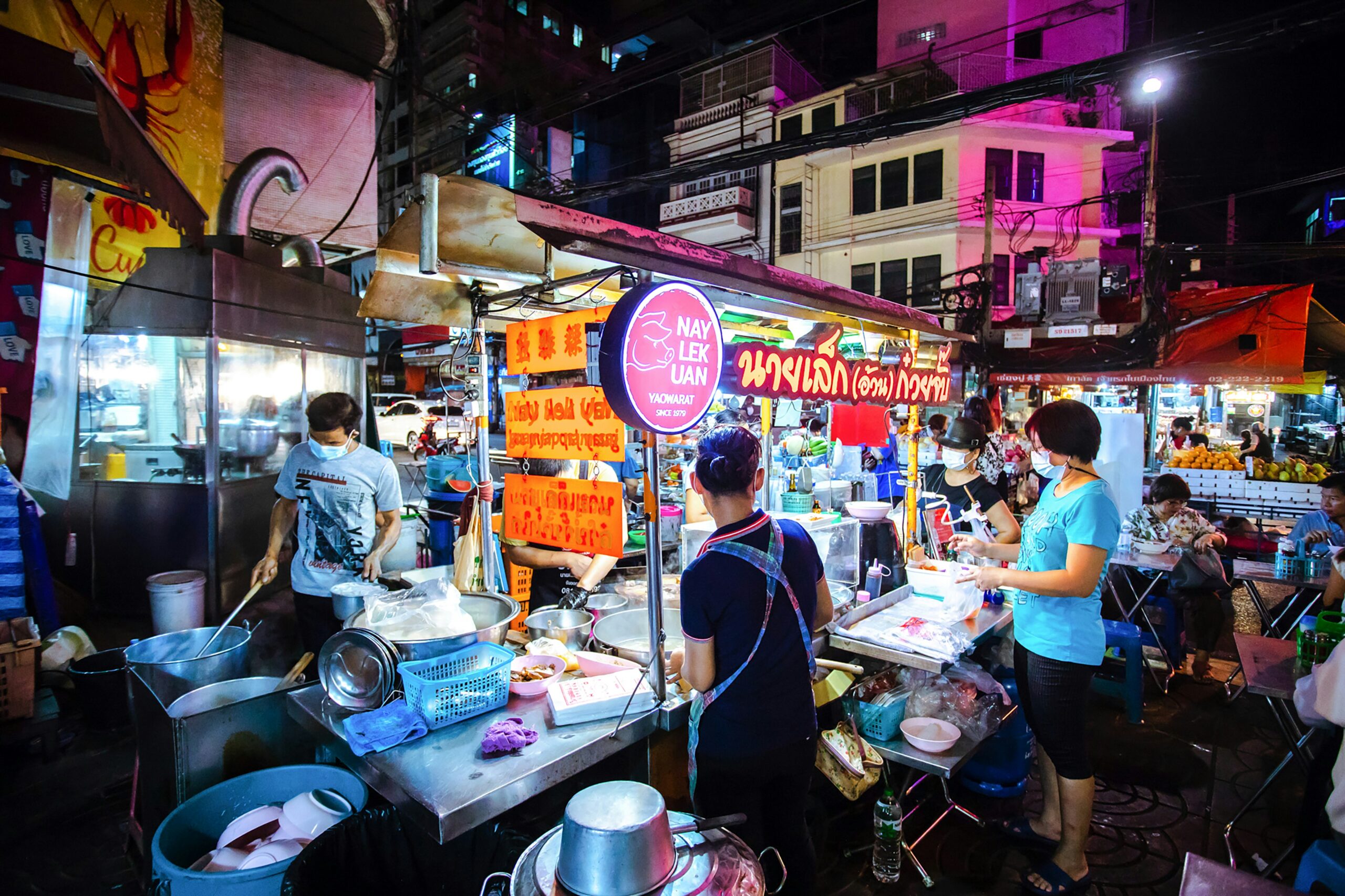
Top 10 Street Foods Around the World
Street food is one of the most exciting ways to experience a country’s culture, traditions, and flavors. Unlike fine dining restaurants, street food offers authentic local tastes prepared using recipes that have often been passed down through generations. Whether served from food carts, roadside stalls, bustling markets, or small family-run stands, street food provides a direct connection to local communities and culinary heritage.
One of the biggest attractions of street food is its accessibility. Travelers can enjoy delicious meals at affordable prices while exploring cities, villages, and tourist destinations. Street vendors often specialize in a single dish, perfecting their recipes over many years. This dedication to quality and tradition frequently results in unforgettable dining experiences that rival those found in expensive restaurants.
Across the globe, every country has its own iconic street food. From spicy snacks in Asia to savory sandwiches in Europe and grilled specialties in the Caribbean, street food reflects the history, geography, and culture of each region. In this article, we’ll explore ten of the most famous and delicious street foods from around the world and discover why they have become beloved by locals and travelers alike.

The Global Appeal of Street Food
Why Travelers Love Street Food
Street food allows travelers to experience authentic local cuisine without spending a fortune. Instead of dining in tourist-oriented restaurants, visitors can eat where locals eat and enjoy dishes prepared using traditional cooking methods. Street food also provides an opportunity to discover flavors that may not be available in mainstream restaurants.
Another reason travelers love street food is convenience. Food stalls are often located in busy areas, making it easy to grab a quick meal while sightseeing. The lively atmosphere of street food markets adds excitement to the dining experience and allows visitors to interact with local vendors and fellow food lovers.
The Cultural Importance of Street Food
Street food is more than just a quick meal. It often represents centuries of culinary tradition and cultural identity. Many iconic street foods originated as affordable meals for workers, travelers, or local communities. Over time, these dishes evolved into national treasures celebrated worldwide.
Street food markets also support local economies by providing employment opportunities for small business owners and families. In many countries, street food remains an essential part of daily life and social interaction.
What Makes Great Street Food?
The best street foods share several common characteristics. They are affordable, flavorful, convenient, and deeply rooted in local culture. Great street food typically uses fresh ingredients, bold seasonings, and simple preparation methods that highlight natural flavors.
Many successful street foods are portable and easy to eat on the go. Vendors often prepare dishes right in front of customers, adding to the appeal and allowing diners to witness the cooking process firsthand. The combination of taste, tradition, and accessibility makes street food one of the world’s most beloved culinary experiences.
1. Tacos – Mexico
Tacos are among the most famous street foods in the world and a cornerstone of Mexican cuisine. Traditionally served on soft corn tortillas, tacos can be filled with a variety of ingredients including beef, pork, chicken, seafood, beans, and vegetables. They are typically topped with onions, cilantro, salsa, and lime juice.
What makes tacos special is their incredible versatility. Every region of Mexico offers its own variation, from tacos al pastor cooked on rotating spits to seafood tacos found along coastal regions. The balance of textures and flavors creates a satisfying meal that captures the essence of Mexican street food culture.
Street taco vendors are a common sight throughout Mexico, especially during evenings when locals gather for quick and flavorful meals. For many travelers, tasting authentic tacos is an essential part of visiting the country.
2. Pad Thai – Thailand
Pad Thai is one of Thailand’s most recognized street foods and a favorite among international travelers. This stir-fried noodle dish combines rice noodles, eggs, tofu or shrimp, bean sprouts, peanuts, and a flavorful sauce made from tamarind, fish sauce, and palm sugar.
The beauty of Pad Thai lies in its perfect balance of sweet, sour, salty, and savory flavors. Street vendors often prepare the dish in large woks over intense heat, creating a smoky flavor that enhances the overall experience.
In Thailand, Pad Thai is commonly enjoyed as a quick lunch or dinner. Its affordability and rich flavor profile have helped make it one of the world’s most popular street food dishes.
3. Chaat – India
India’s vibrant street food culture would be incomplete without chaat. This broad category includes various savory snacks made with crispy dough, potatoes, chickpeas, yogurt, chutneys, and aromatic spices. Popular varieties include pani puri, bhel puri, and aloo chaat.
Chaat is famous for delivering multiple flavors in a single bite. Sweet, spicy, tangy, and crunchy elements combine to create an unforgettable taste experience. Every region of India offers unique versions of chaat, reflecting local ingredients and culinary traditions.
Street food stalls selling chaat are especially popular in busy markets and urban centers. The colorful presentation and bold flavors make it one of India’s most iconic culinary exports.
4. Döner Kebab – Turkey
Döner kebab is one of Turkey’s most famous street foods and has gained immense popularity across Europe and beyond. Thin slices of seasoned meat are cooked on a vertical rotisserie and served in bread or wraps with vegetables and sauces.
The cooking method allows the outer layer of meat to become crispy while remaining juicy inside. The combination of tender meat, fresh vegetables, and flavorful sauces creates a satisfying meal that appeals to a wide range of tastes.
Döner kebab’s popularity stems from its convenience and delicious flavor. It has become a staple street food in many countries while maintaining strong ties to its Turkish origins.
5. Banh Mi – Vietnam
Banh Mi is a Vietnamese sandwich that beautifully blends local ingredients with French culinary influences. Served on a crispy baguette, Banh Mi typically contains grilled meat, pâté, pickled vegetables, fresh herbs, cucumber, and chili peppers.
The contrast between the crunchy bread and flavorful fillings makes Banh Mi incredibly satisfying. The sandwich showcases Vietnam’s history while offering a unique combination of textures and tastes.
Street vendors throughout Vietnam sell freshly prepared Banh Mi at affordable prices, making it a favorite breakfast and lunch option for locals and tourists alike.
6. Hot Dogs – United States
The hot dog is one of America’s most iconic street foods. Found at sporting events, city streets, fairs, and food carts, hot dogs consist of a sausage served inside a sliced bun and topped with various condiments.
Different regions of the United States have developed their own styles. Chicago-style hot dogs feature multiple toppings, while New York hot dogs are often served with mustard and sauerkraut. These regional variations contribute to the hot dog’s enduring popularity.
Its simplicity, affordability, and portability have made the hot dog a beloved part of American street food culture for generations.
7. Takoyaki – Japan
Takoyaki is a popular Japanese street food originating from Osaka. These small, round balls are made from a savory batter filled with pieces of octopus, green onions, and pickled ginger.
Cooked in special molded pans, Takoyaki develops a crispy exterior while remaining soft and creamy inside. The finished balls are topped with takoyaki sauce, mayonnaise, seaweed flakes, and bonito flakes.
Watching vendors skillfully rotate the batter-filled molds is part of the attraction. Takoyaki represents the creativity and precision often associated with Japanese cuisine.
8. Arepas – Colombia and Venezuela
Arepas are a staple food in both Colombia and Venezuela. Made from cornmeal dough, they are grilled, baked, or fried and then filled with various ingredients such as cheese, meat, beans, eggs, or avocado.
The versatility of arepas allows endless customization, making them suitable for breakfast, lunch, dinner, or snacks. Their crispy exterior and soft interior provide a delightful contrast in texture.
Street vendors throughout both countries offer freshly prepared arepas that showcase local flavors and traditions. They remain one of South America’s most cherished street foods.
9. Poutine – Canada
Poutine is a uniquely Canadian street food consisting of French fries topped with cheese curds and hot gravy. While simple in appearance, the combination creates a rich and satisfying comfort food experience.
Originally from Quebec, poutine has become popular throughout Canada and internationally. Modern variations may include additional toppings such as pulled pork, bacon, or mushrooms.
The dish’s indulgent nature and comforting flavors have earned it a loyal following among locals and visitors. It remains one of Canada’s most recognizable culinary contributions.
10. Jerk Chicken – Jamaica
Jerk chicken is a flavorful Jamaican dish known for its bold seasoning and smoky flavor. Chicken is marinated with a blend of spices that often includes allspice, Scotch bonnet peppers, thyme, garlic, and ginger before being grilled over wood or charcoal.
The result is a dish that combines heat, sweetness, smokiness, and aromatic spices. Street vendors across Jamaica prepare jerk chicken using traditional techniques that have been passed down for generations.
For visitors seeking an authentic taste of Caribbean cuisine, jerk chicken offers an unforgettable culinary experience filled with vibrant flavors and cultural significance.
Street Food Safety Tips for Travelers
While street food can provide incredible culinary experiences, it is important to follow basic food safety precautions. Choosing vendors with high customer turnover often increases the likelihood of fresh ingredients. Observing food preparation practices can also help identify clean and reputable stalls.
Hot foods should generally be served steaming hot, while cold foods should be properly refrigerated. Drinking bottled water and avoiding questionable ice sources can further reduce the risk of foodborne illness.
Being cautious does not mean avoiding street food altogether. Millions of people safely enjoy street food every day by making informed choices and paying attention to hygiene standards.
Why Street Food Is More Than Just a Meal
Street food offers a unique window into local culture, history, and daily life. It allows travelers to engage with communities, support small businesses, and experience authentic flavors that often cannot be replicated elsewhere.
Every street food dish tells a story. Some originated from ancient traditions, while others evolved through cultural exchange and innovation. Together, they form an important part of global culinary heritage.
For many people, the memories created while enjoying street food become some of the most memorable moments of their travels. The combination of flavor, atmosphere, and cultural immersion creates experiences that last a lifetime.
Conclusion
Street food is one of the most exciting aspects of global cuisine. From Mexico’s flavorful tacos and Thailand’s famous Pad Thai to India’s vibrant chaat and Jamaica’s spicy jerk chicken, every country offers unique dishes that reflect its culture and traditions. These foods are affordable, accessible, and packed with authentic flavors that showcase the diversity of the world’s culinary landscape.
Whether you’re a dedicated foodie or a casual traveler, exploring street food is one of the best ways to connect with local communities and experience genuine cultural traditions. The next time you travel, don’t just visit the attractions—follow the aroma of freshly prepared street food and discover the flavors that define a destination.
Frequently Asked Questions
1. What is the most popular street food in the world?
Tacos, hot dogs, kebabs, and Pad Thai are among the most popular street foods globally due to their widespread availability and appeal.
2. Is street food safe to eat?
Yes, when purchased from reputable vendors who maintain proper hygiene and food safety standards.
3. Why is street food important?
Street food supports local economies, preserves culinary traditions, and provides affordable access to authentic local cuisine.
4. Which country is famous for street food?
Countries such as Thailand, India, Mexico, Vietnam, and Turkey are particularly famous for their vibrant street food cultures.
5. What should travelers consider before eating street food?
Travelers should evaluate cleanliness, food freshness, cooking practices, and local recommendations when choosing street food vendors.