
Why Healthy Eating Matters
The food you eat every day acts as the fuel that powers every system in your body. Just like a high-performance car requires premium fuel to run efficiently, your body performs best when it receives quality nutrients from wholesome foods. Modern lifestyles often encourage the consumption of processed meals, sugary beverages, and convenience foods that provide calories without offering substantial nutritional value. Over time, these dietary habits can increase the risk of obesity, heart disease, diabetes, and other chronic health conditions.
According to the World Health Organization (WHO), a healthy diet rich in fruits, vegetables, whole grains, legumes, and nuts can help reduce the risk of many non-communicable diseases. WHO recommends consuming at least 400 grams of fruits and vegetables daily and emphasizes the importance of dietary diversity for overall health. Studies consistently show that people who consume nutrient-rich foods tend to have better energy levels, stronger immune systems, improved mental health, and greater longevity.
The good news is that healthy eating does not require expensive supplements or complicated meal plans. Many of the healthiest foods are affordable, widely available, and easy to incorporate into daily meals. Let’s explore the top ten healthy foods that deserve a permanent place on your plate.
The Connection Between Food and Overall Health
Every nutrient has a specific role in maintaining bodily functions. Protein repairs tissues, carbohydrates provide energy, healthy fats support brain function, vitamins strengthen immunity, and minerals keep organs functioning properly. When your diet lacks these nutrients, your body struggles to perform at its best.
Research shows that diets rich in plant-based foods can significantly reduce the risk of cardiovascular diseases and metabolic disorders. Healthy eating also supports better sleep quality, mood stability, and cognitive performance. Think of nutrition as a daily investment in your future health. Small choices made today can produce enormous benefits years later.
What Experts Say About Daily Nutrition
Nutrition experts consistently recommend focusing on whole foods rather than highly processed alternatives. WHO guidance highlights the importance of consuming a wide variety of fruits, vegetables, legumes, nuts, and whole grains while limiting added sugars, unhealthy fats, and excessive sodium intake. Adults should aim for at least 25 grams of dietary fiber daily and prioritize nutrient-dense foods whenever possible.
| Nutritional Recommendation | Suggested Daily Intake |
|---|---|
| Fruits and Vegetables | 400g or more |
| Dietary Fiber | 25g or more |
| Added Sugar | Less than 10% of calories |
| Total Fat | Less than 30% of calories |
| Water | 2–3 liters |
1. Leafy Green Vegetables
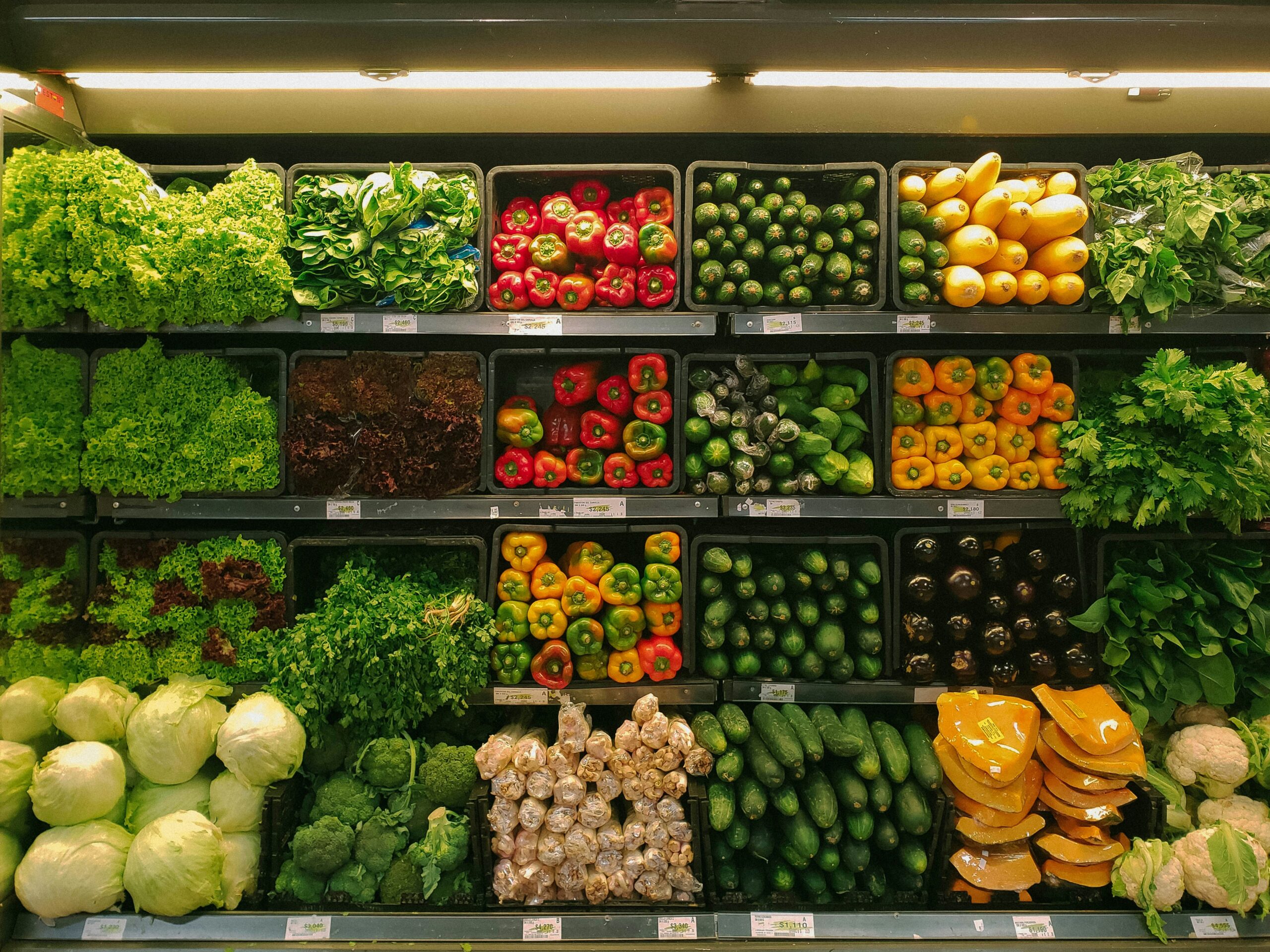
Leafy greens such as spinach, kale, lettuce, collard greens, and Swiss chard are among the most nutrient-dense foods available. They are packed with vitamins A, C, K, folate, calcium, magnesium, and powerful antioxidants. Despite being low in calories, they provide exceptional nutritional value, making them ideal for weight management and overall wellness.
Regular consumption of leafy greens has been associated with reduced inflammation, improved heart health, stronger bones, and better eye health. Their high fiber content also promotes healthy digestion and helps maintain stable blood sugar levels. Whether added to salads, smoothies, soups, or stir-fries, leafy greens can easily become a staple of your daily diet.
Key Nutrients and Benefits
The antioxidants found in leafy greens help combat oxidative stress, which contributes to aging and disease development. Vitamin K supports bone strength, while folate is essential for cell growth and repair. Adding even one serving of leafy greens daily can significantly improve your nutrient intake.
2. Berries
Berries such as blueberries, strawberries, raspberries, and blackberries are nutritional powerhouses. They are rich in antioxidants, vitamins, minerals, and fiber while remaining relatively low in calories. Their vibrant colors are a sign of beneficial compounds that protect cells from damage.
Research suggests that berries may improve heart health, support brain function, and reduce inflammation. Their natural sweetness makes them a healthy alternative to sugary desserts and snacks. Adding berries to yogurt, oatmeal, smoothies, or simply eating them fresh can dramatically enhance your daily nutrient intake.
Why Antioxidants Matter
Antioxidants act like the body’s defense system, protecting cells from free radicals that can damage tissues and accelerate aging. Regular berry consumption has been linked to better cognitive performance and improved cardiovascular health.
3. Eggs
Eggs have long been considered one of nature’s most complete foods. They provide high-quality protein, healthy fats, vitamins, and minerals in a compact package. One egg contains all nine essential amino acids, making it a complete protein source.
Eggs support muscle growth, brain function, and eye health. They are also incredibly versatile and can be prepared in countless ways. Whether boiled, scrambled, poached, or included in recipes, eggs offer a convenient and affordable source of nutrition.
A Complete Protein Source
Protein plays a vital role in tissue repair, hormone production, and immune function. Eggs provide an excellent balance of nutrients while helping you feel fuller for longer periods, reducing unnecessary snacking throughout the day.
4. Fatty Fish
Fatty fish such as salmon, sardines, mackerel, and tuna are among the best sources of omega-3 fatty acids. These healthy fats support heart health, brain function, and inflammation control.
Many people do not consume enough omega-3s, making fatty fish an important addition to a balanced diet. Experts often recommend eating fish at least twice per week to gain the full range of health benefits.
The Power of Omega-3 Fatty Acids
Omega-3 fats contribute to improved cardiovascular health and may help reduce the risk of heart disease. They also support memory, concentration, and emotional well-being.
5. Nuts and Seeds
Almonds, walnuts, chia seeds, flaxseeds, sunflower seeds, and pumpkin seeds offer an impressive combination of healthy fats, protein, fiber, vitamins, and minerals. Despite their small size, they provide substantial nutritional benefits.
Regular nut and seed consumption has been associated with lower cholesterol levels, improved heart health, and better weight management. Their portability also makes them ideal for healthy snacking.
Small Foods with Big Benefits
Nuts and seeds contain magnesium, zinc, vitamin E, and healthy fats that support overall wellness. A small handful each day can contribute significantly to your nutritional needs.
6. Whole Grains
Whole grains such as oats, quinoa, brown rice, barley, and whole wheat contain all parts of the grain kernel, preserving their fiber and nutrient content. Unlike refined grains, whole grains provide sustained energy and improved digestive health.
Whole grains can help regulate blood sugar, lower cholesterol, and reduce the risk of chronic diseases. They are a valuable source of B vitamins, iron, magnesium, and dietary fiber.
Better Energy and Digestion
The fiber found in whole grains supports healthy digestion and promotes a feeling of fullness. This helps prevent overeating and supports long-term weight management.
7. Greek Yogurt
Greek yogurt stands out because of its high protein content and beneficial probiotics. These live bacteria support gut health and contribute to improved digestion and immunity.
Compared to regular yogurt, Greek yogurt contains more protein and less sugar. It can be enjoyed as a breakfast food, snack, or ingredient in various recipes.
Supporting Gut Health
A healthy gut microbiome plays a critical role in digestion, immune function, and even mental health. Regular probiotic consumption can help maintain a balanced digestive system.
8. Avocados
Avocados have gained popularity for good reason. They are rich in heart-healthy monounsaturated fats, fiber, potassium, and vitamins. Their creamy texture makes them a versatile ingredient in many dishes.
Despite being higher in calories than many fruits, avocados provide nutrients that promote satiety and support overall health. Studies suggest they may help improve cholesterol levels and cardiovascular health.
Healthy Fats for a Healthy Heart
The fats found in avocados are similar to those in olive oil and are associated with positive heart health outcomes. They also aid in the absorption of fat-soluble vitamins.
9. Legumes
Beans, lentils, chickpeas, and peas are nutritional champions. They provide protein, fiber, vitamins, minerals, and complex carbohydrates while remaining affordable and accessible.
Legumes are especially valuable for individuals following plant-based diets because they offer substantial protein content. Their fiber supports digestion and blood sugar control.
Affordable and Nutrient-Dense
Legumes are among the most budget-friendly healthy foods available. They can be incorporated into soups, stews, salads, and main dishes with ease.
10. Fruits
Fruits are nature’s original fast food. They come packaged with fiber, vitamins, minerals, antioxidants, and natural sweetness. Apples, oranges, bananas, grapes, pears, and many other fruits provide a convenient way to boost nutrient intake.
Current nutritional guidance recommends consuming a variety of colorful fruits daily. Different fruits provide unique combinations of nutrients that work together to support health and disease prevention.
Nature’s Sweet Superfood
Eating fruit regularly may support heart health, digestive function, immunity, and healthy aging. Replacing sugary snacks with fresh fruit is one of the simplest dietary improvements anyone can make.
How to Include These Foods in Your Daily Routine
Building a healthier diet does not require dramatic changes overnight. Small, sustainable adjustments often produce the best long-term results. Start by adding leafy greens to your lunch, including berries with breakfast, or choosing nuts instead of processed snacks. Gradually introduce more whole grains and legumes into your meals while reducing highly processed foods.
Meal planning can also make healthy eating easier. Preparing ingredients ahead of time helps ensure nutritious options are always available. A balanced plate might include leafy greens, whole grains, lean protein, healthy fats, and fruit for dessert. These simple habits create a foundation for lifelong health and wellness.
Conclusion
Healthy eating is not about strict rules or perfection. It is about consistently choosing foods that nourish your body and support your long-term well-being. Leafy greens, berries, eggs, fatty fish, nuts, seeds, whole grains, Greek yogurt, avocados, legumes, and fruits offer a remarkable combination of nutrients that can improve nearly every aspect of health.
The best diet is one that you can maintain consistently. By incorporating these ten healthy foods into your daily routine, you provide your body with the nutrients it needs to thrive. Small dietary improvements made today can lead to significant health benefits tomorrow.
Frequently Asked Questions
1. What is the healthiest food to eat every day?
Leafy green vegetables are often considered among the healthiest foods due to their high nutrient density and low calorie content.
2. How many servings of fruits and vegetables should I eat daily?
Health experts recommend at least 400 grams, or approximately five servings, of fruits and vegetables per day.
3. Are eggs healthy to eat every day?
For most healthy individuals, eggs can be safely consumed daily as part of a balanced diet.
4. Which foods are best for heart health?
Fatty fish, nuts, seeds, avocados, whole grains, berries, and leafy greens are excellent choices for heart health.
5. Can healthy eating help with weight loss?
Yes. Nutrient-dense foods rich in fiber and protein can promote fullness and help support healthy weight management.